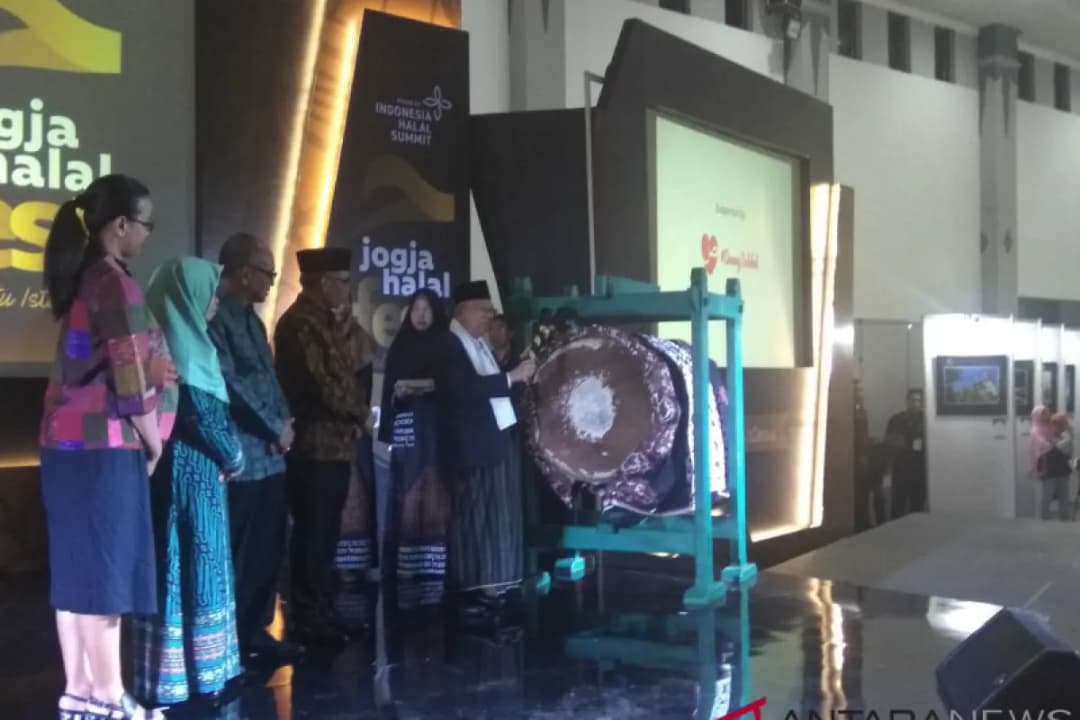
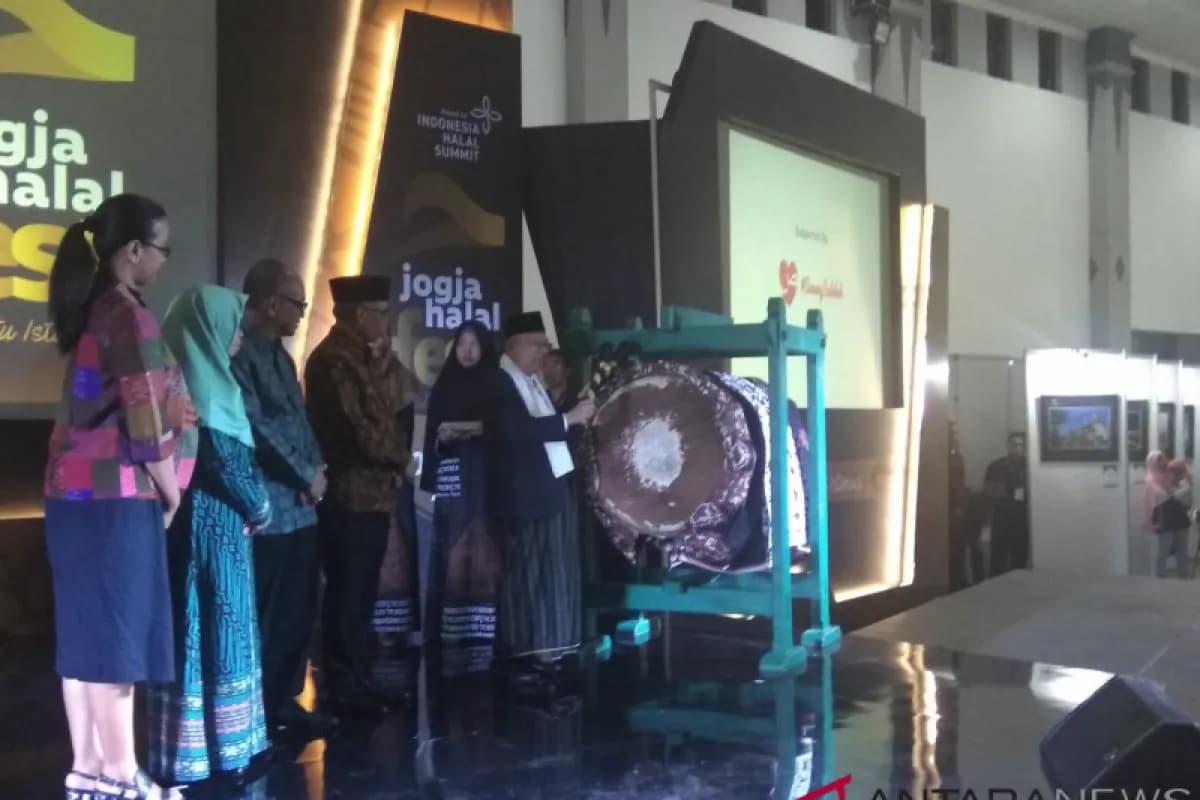
KH Ma'ruf Amin closed Jogja Halal Fest 2018 after four days of holding at Jogja Expo Center. In the closing, halal was emphasized as a global issue related to way of life, quality, consumer confidence and economic development.
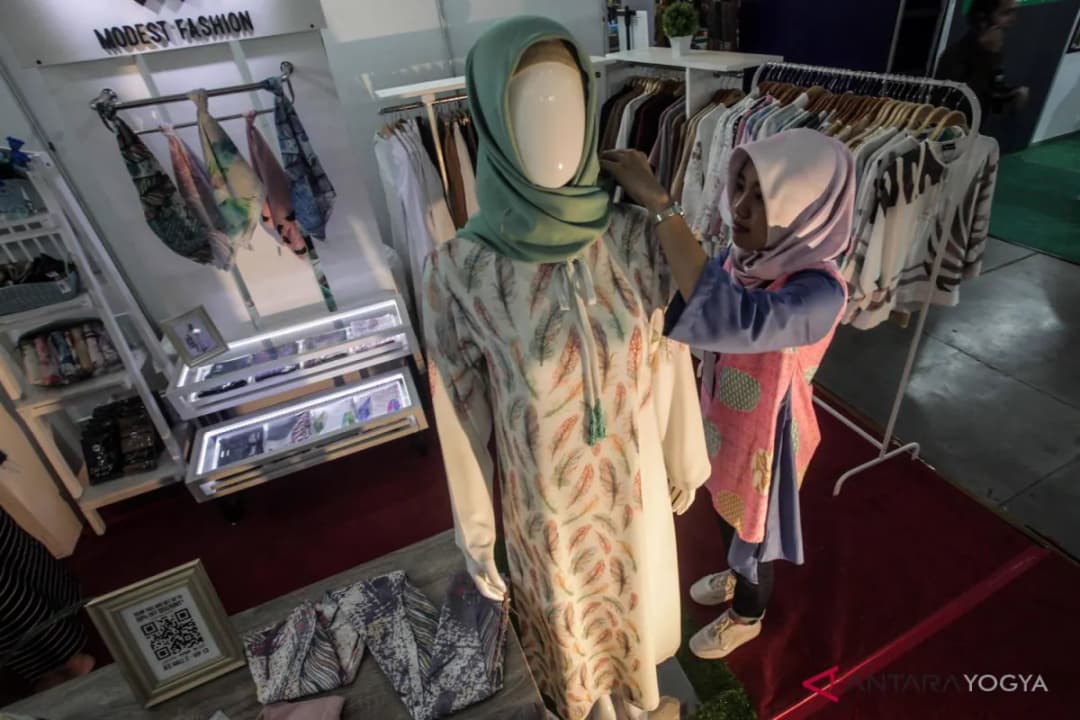
The inaugural edition took place on 11–14 October 2018 with the theme "Halal is Special". The event occupies three halls and presents around 217–218 booths covering culinary, fashion, finance, education, health and other related sectors.
Around 31,000–32,000 visitors were detected and transactions of around IDR 10 billion were reported by the committee over four days.
The closing message shows the direction that JHF continues to take in the next edition: halal does not stop at the label, but becomes an ecosystem that includes products, services, financing, tourism, health and consumer behavior.
In ANTARA's report, Ma'ruf Amin touched on halal developments in various countries, including the presence of institutions from Taiwan at festivals. These examples show that the need for halal standards and services is growing beyond Muslim-majority countries.
For Indonesian producers, this development opens up opportunities as well as increasing demands. Products need to have clear materials and processes, consistent quality, adequate production capacity, and documentation that can be trusted by domestic and foreign buyers.
The exhibition brings together consumers and business people directly. Visitors can ask questions about ingredients, processes and certifications, while manufacturers get the opportunity to explain the value of their products. These interactions help change halal from an administrative term to an experience that the public understands.
The message on the closing night then became the narrative foundation for JHF's journey: strengthening public literacy while building an industry capable of capturing global market opportunities.
Visitor and transaction figures come from committee reports quoted by media and research; Research archives found no independent audit of the figures. This separation of sources is important so that historical achievements are still conveyed transparently.