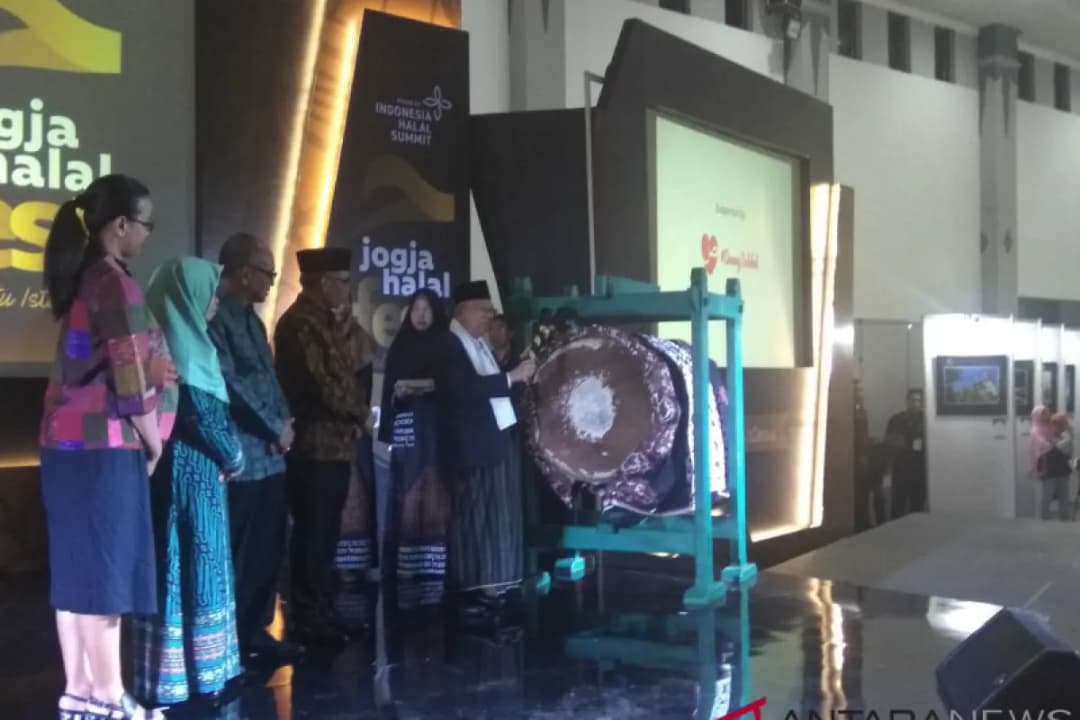
Jogja Halal Fest first opened on October 11, 2018 at Jogja Expo Center. With the theme "Halal is Special", this event brings together producers, MSMEs, financial institutions, communities, academics and the public in a series of exhibitions and education.
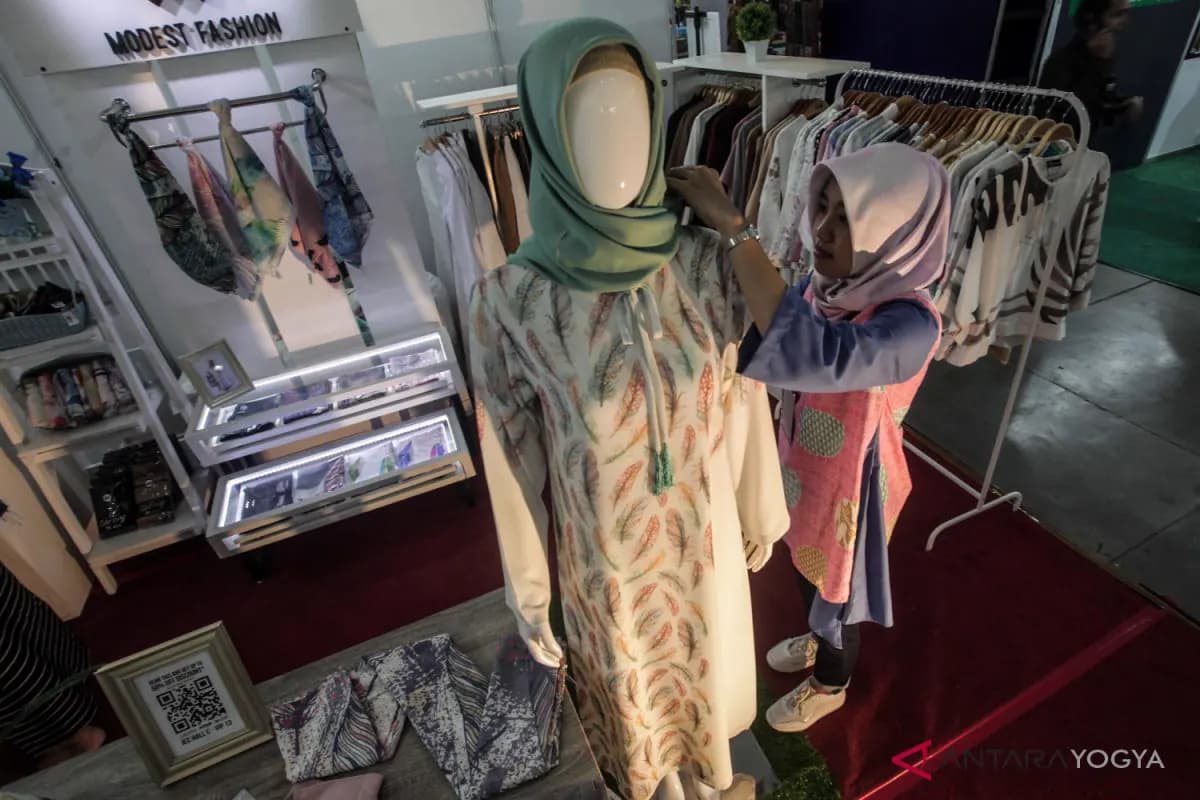
The event used three halls and presented around 217–218 booths. Culinary is the dominant category, accompanied by fashion, sharia finance, education, health, tourism, property and various products supporting a halal lifestyle.
Product exhibitions, talk shows, national seminars, tenant presentations, stage performances, family activities, and Beautiful Running Hijab.
MES DIY directs themes, characters, government relations, sponsors, and networks. Event organizer partners handle the implementation of the field, stage, tenants, operations and business side. Coordination is carried out periodically during the preparation period of approximately six months.
Tenants are expected to have a halal certificate or at least be undergoing a certification process. The main stage is used for speakers and large programs, while the mini stage gives booth owners the opportunity to introduce products.
For visitors, the program arrangement means the festival can be enjoyed in several ways. Families can explore products, take part in shows, or take children to appropriate activities. Business people can study other tenant presentations, meet financial institutions, and expand their network in a more open atmosphere than formal business meetings.
The diversity of participants was the main message of the first edition. Halal is not positioned only as a matter of food, but also touches fashion, health, education, travel, property and financial services. When these sectors are placed in one exhibition, the public can see the relationship between certification, product quality, service and consumer trust.
The inaugural event was also a capacity test for the committee. Managing three halls, hundreds of tenants, stage agenda, visitor flow, and promotional needs requires cross-team coordination. This operational experience then became important capital when JHF was held again on a larger scale.
Academic evaluations after the event noted the need to strengthen halal literacy content, more orderly grouping of stands, and impact measurement that does not only rely on the number of visitors and transactions.